
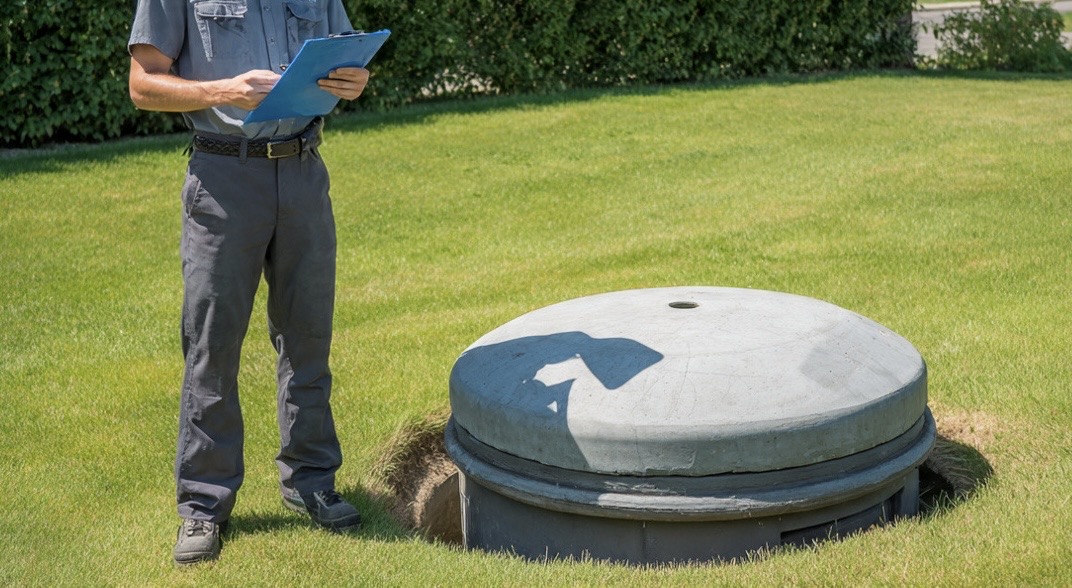
Routine septic service can reveal problems long before a yard gets soggy or drains begin backing up. A trained technician checks how the tank, pipes, baffles, and drain field are handling daily wastewater. Homeowners searching for septic companies near me often want to know what happens during the visit and why each detail matters.
Tank Levels That Show How the System Is Performing
Technicians first look at the liquid level inside the septic tank because it can reveal how well wastewater is moving through the system. An unusually high level may point to a clogged outlet, saturated drain field, or drainage restriction beyond the tank. A low level can suggest leaks, cracks, or groundwater movement that deserves closer inspection. Proper levels help confirm that solids, scum, and liquid are separating the way they should. Septic tank service often includes checking whether sludge has built up enough to require septic tank pumping. Accurate measurements help prevent solids from reaching the drain field, where repairs can become much more expensive.
Sludge and Scum Layers That Signal Pumping Needs
Sludge settles at the bottom of the tank, while fats, oils, grease, and lightweight waste form a scum layer near the top. These layers are normal, but they become a problem when they take up too much tank space. A septic contractor measures these layers to decide whether pumping is needed now or can safely wait. Thick buildup reduces the area available for wastewater separation. Once the tank gets too full, solids can move toward the outlet and clog downstream components. Septic tank pumping services remove this buildup so the system has enough room to work as designed.
Baffles and Tees That Keep Solids in the Tank
Baffles and tees guide wastewater through the tank while helping keep solids from leaving too early. The inlet baffle slows incoming flow, while the outlet baffle protects the drain field from floating scum and unsettled material. Damaged or missing baffles can allow waste to move through the system too quickly.
Strong service includes checking whether these parts are still attached, clear, and positioned correctly. Septic contractors in Huntsville AL often pay close attention to outlet protection because this small part helps defend the most expensive section of the system. Replacing a weak baffle early can prevent bigger drain field trouble later.
Signs of Slow Flow at the Inlet and Outlet Pipes
Pipes entering and leaving the tank must move wastewater without restriction. A technician may look for standing waste near the inlet, backed-up water, root intrusion, grease buildup, or debris blocking flow. Slow movement can explain gurgling drains, weak flushing, or repeated clogs inside the home. Clear pipe flow helps the septic system maintain steady operation during normal water use. Routine septic tank service can reveal partial blockages before they turn into a messy backup. This inspection gives homeowners a chance to act while the problem is still contained near the tank.
Lid, Riser, and Access Point Conditions
Access points need to be safe, sealed, and easy to locate. Cracked lids, buried openings, loose risers, or damaged seals can let surface water, dirt, insects, or roots reach the tank. These issues may also make future septic tank pumping slower and more costly.
Secure lids protect both the system and the property. A septic contractor checks whether the tank can be opened properly without damaging the yard or creating a safety concern. Clear access also helps emergency service happen faster if the home ever develops a backup.
Drain Field Clues Found Across the Yard
The drain field handles treated wastewater after it leaves the tank, so the ground above it can tell an important story. Greener grass, wet soil, sewage odors, standing water, or soft patches may suggest that wastewater is not absorbing properly. Heavy vehicles, poor grading, or tree roots can also affect this area. Yard observations matter because the tank may look normal while the drain field struggles. Septic companies near me often review the surrounding ground to see whether the system is overloaded, compacted, or poorly draining. Early warning signs help homeowners adjust water use or schedule further evaluation before failure occurs.
Household Habits That Affect Septic Health
Daily habits influence how often a septic system needs service. Grease, wipes, harsh chemicals, excessive laundry loads, and heavy water use can all make the tank work harder. A routine visit gives the technician a chance to connect system conditions with what may be happening inside the home.
Helpful guidance can prevent avoidable damage. Homeowners may learn why “flushable” wipes should stay out of the system, why grease belongs in the trash, and why spreading laundry over several days reduces strain. Septic tank pumping services work better when paired with smarter household use.
Records That Help Plan Future Service
Service records help show how quickly sludge builds up and whether the system has changed over time. Tank size, household size, pumping history, past repairs, and inspection notes all help determine the next service window. Without records, homeowners may wait too long or schedule pumping more often than necessary. For those comparing septic contractors, Cora Environmental can help with septic tank pumping, tank condition checks, access concerns, and service planning that keeps the system easier to manage.

- Sweet And Hydrating Yellow Summer Fruits For Natural Energy - September 23, 2026
- How Same Day Crowns Can Restore Damaged Teeth Quickly - September 19, 2026
- A Practical Guide to Selecting Soil, Dirt, and Aggregate for Common Property Projects - September 18, 2026




“I didn’t take this seriously at first, but after reading the details on XenixNews, my perspective completely changed ”