Key Takeaways
- A dental crown covers and protects a damaged tooth while restoring its biting surface.
- Same-day crown technology can eliminate the need for a temporary crown and a separate placement visit.
- The process generally includes an exam, digital scan, tooth preparation, crown design, milling, adjustment, and bonding.
- Not every broken, decayed, or painful tooth is a candidate for same-day treatment.
- Good home care and regular dental visits help protect both the crown and the natural tooth underneath it.
A cracked, worn, or heavily filled tooth can make eating uncomfortable and leave people worried that the damage will get worse. For patients who need a timely solution, the team at suncreekdental.com can help determine whether a same-day crown is an appropriate way to restore the tooth’s shape, strength, and function without the traditional waiting period between appointments.
Same-day crowns use digital imaging and in-office milling technology to design and create a custom restoration during one visit. They are not the right answer for every dental concern, but they can be a practical option when a tooth has enough healthy structure to support a crown and the dentist can safely complete treatment in a single appointment.
What Is a Same-Day Crown?
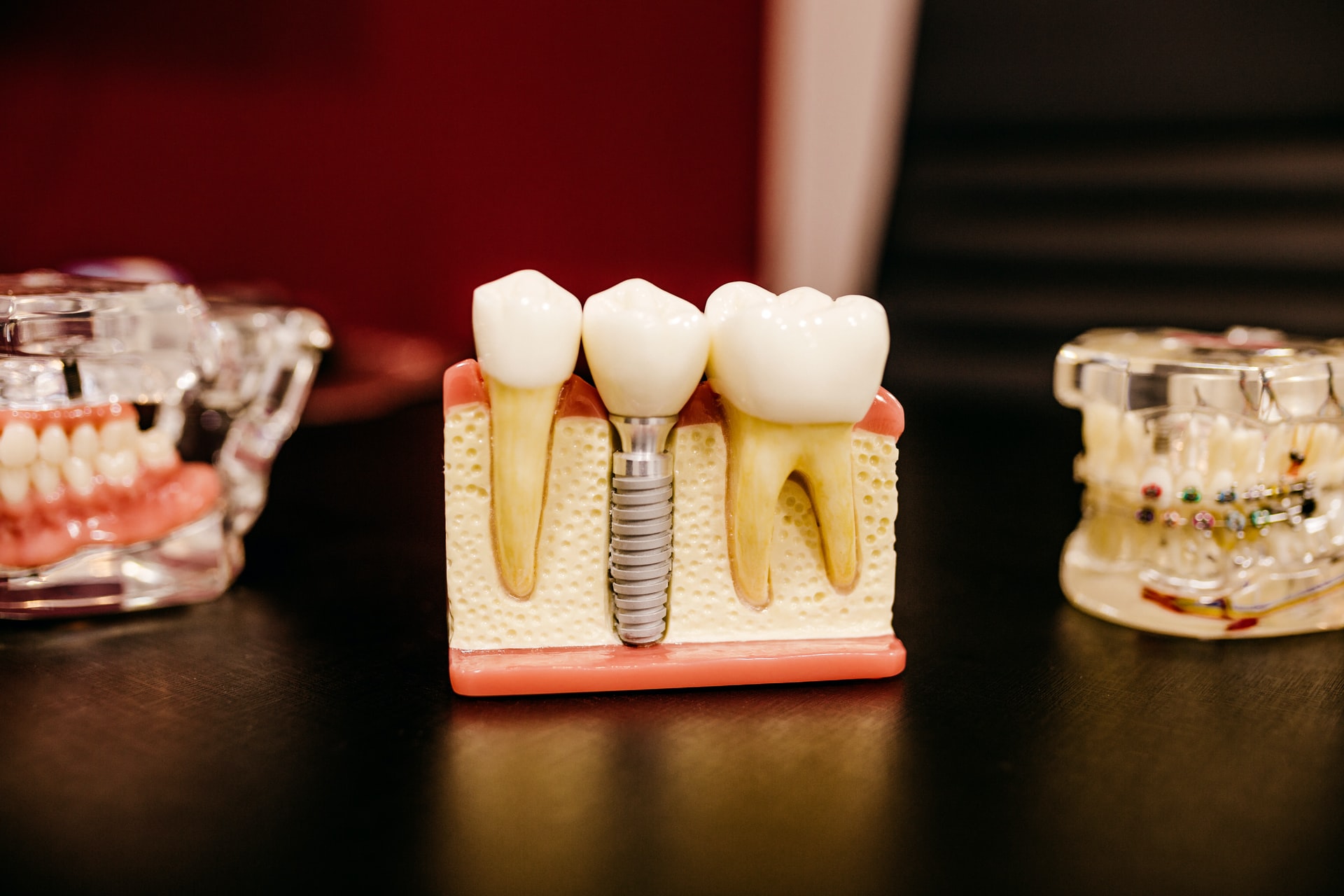
A crown is a custom restoration that covers most or all of the visible portion of a tooth. Dentists may recommend one when a tooth is weakened by a large filling, fracture, extensive decay, wear, or prior treatment such as a root canal. As the American Dental Association explains, crowns can protect a weak tooth from breaking or restore one that is already broken.
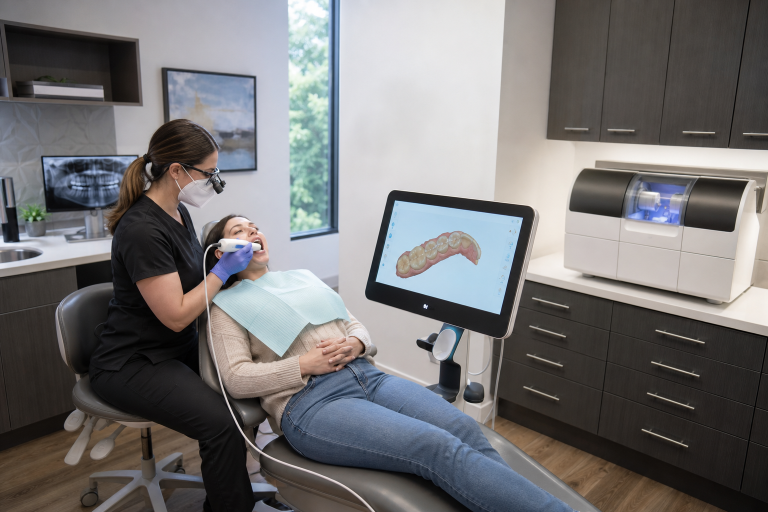
With conventional crown treatment, an impression is sent to a dental laboratory, and the patient wears a temporary crown while the permanent restoration is made. With same-day treatment, a digital scanner captures a detailed image of the prepared tooth. Computer software helps the dentist design the restoration, and an in-office milling unit shapes it from a ceramic block. The dentist then checks the fit, bite, and appearance before bonding the finished crown in place.
How the Same Day Crown Process Works
1. Examination and Treatment Planning
The appointment begins with an examination of the tooth, gums, and bite. X-rays or other imaging may be needed to evaluate decay, cracks, the tooth root, and surrounding bone. If active infection, severe structural damage, or a root problem is present, additional care may be necessary before a crown can be placed.
2. Preparing the Tooth
After a local anesthetic is used when needed, the dentist removes damaged tissue, old filling material, or weakened portions of the tooth. The remaining tooth is shaped so the crown can fit securely. Whenever possible, the treatment plan aims to preserve healthy, natural tooth structure.
3. Creating a Digital Scan
Instead of using traditional impression material, the dentist scans the prepared tooth and nearby teeth. This digital model helps create a crown that works with the patient’s bite and aligns with the teeth beside it.
4. Designing and Milling the Crown
The digital design guides an in-office milling machine that forms the crown from a ceramic material. Ceramics can be selected in shades that blend with natural teeth, particularly when restoring teeth that show when a person smiles.
5. Final Fit and Bonding
Before the crown is bonded, the dentist checks how it contacts neighboring teeth and meets the opposing teeth. Small adjustments may be made to improve comfort and bite balance. Once the fit is confirmed, the crown is permanently cemented or bonded into place.
Why Patients Appreciate Same-Day Treatment
The most obvious benefit is convenience. A patient may be able to complete the restoration in one longer visit instead of scheduling separate preparation and delivery appointments. This can be particularly helpful for people with demanding work schedules, travel plans, or a tooth that needs prompt protection.
Same-day crowns also typically remove the temporary-crown stage. Temporary restorations can loosen, break, or feel different while a patient waits for the final crown. Finishing treatment in one appointment may reduce those concerns and let the patient leave with the permanent restoration already in place.
Digital scans can also make the process more comfortable for people who dislike traditional impression materials. However, convenience should never be the only factor. The quality of the diagnosis, preparation, fit, bite adjustment, and bonding remains central to a successful restoration.
When a Same-Day Crown May Not Be the Best Choice
Some situations require more than a single appointment. A tooth with deep decay, a significant infection, severe gum disease, or a fracture extending below the gumline may need other treatment first. Root canal therapy, gum treatment, buildup procedures, or a different restoration may be recommended depending on the condition of the tooth.
Material selection also matters. A dentist may recommend a laboratory-made crown when a case requires a particular material, a more complex color match, or specialized design considerations. The best choice is the one that supports long-term oral health, not simply the fastest option.
Common Signs a Tooth May Need a Crown Evaluation
- Pain or pressure when biting or chewing.
- A visible crack, chip, or broken cusp.
- A large filling that feels loose or has repeatedly failed.
- Ongoing sensitivity to hot, cold, or sweets.
- A tooth that has become worn, misshapen, or discolored after injury or treatment.
- A tooth that has had root canal treatment needs added protection.
These symptoms do not automatically mean a crown is needed. Sensitivity and pain can have several causes, and a dental exam is needed to identify the source. Waiting too long after a tooth breaks or becomes painful can allow the problem to become more complicated.
Protecting a New Crown
A crown restores a tooth, but it still needs daily care. Brush twice each day with fluoride toothpaste, clean between the teeth daily, and keep regular dental appointments based on your individual needs. The edge where the crown meets the tooth can still be affected by plaque and decay if cleaning is neglected.
Avoid using teeth to open packages, bite fingernails, or chew hard objects such as ice. People who clench or grind their teeth may need a professionally recommended night guard. The National Institute of Dental and Craniofacial Research notes that mouth guards can help separate the teeth and prevent damage from grinding and clenching.
Fast Treatment Starts With the Right Diagnosis
A same-day crown can be an efficient way to restore a damaged tooth and return to comfortable chewing with fewer appointments. Still, speed should follow a careful evaluation of the tooth, supporting gums, bite, and overall treatment needs. A personalized assessment helps determine whether same-day crown technology is the right path, or whether another approach will provide a stronger long-term result.

- How Same Day Crowns Can Restore Damaged Teeth Quickly - September 19, 2026
- A Practical Guide to Selecting Soil, Dirt, and Aggregate for Common Property Projects - September 18, 2026
- Making the Most of a Two-Night Stay in Shawnee National Forest Cabins - September 18, 2026